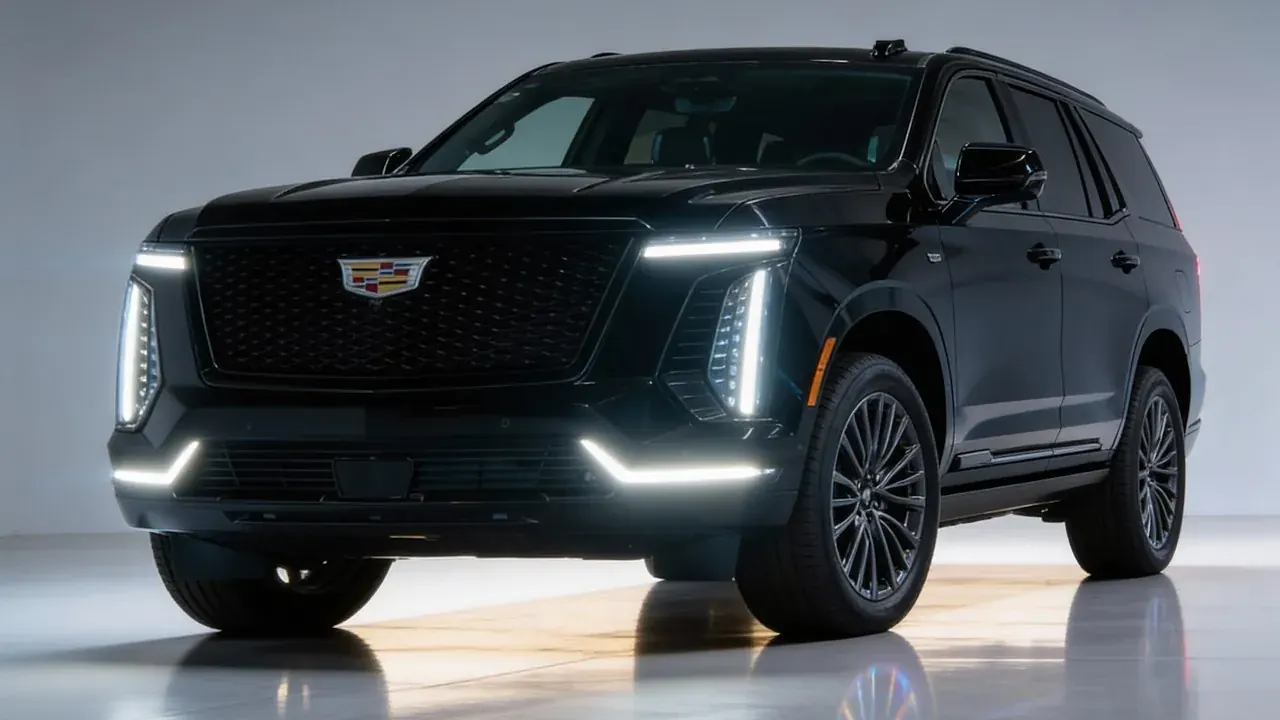
Learning how to get in and out of a limo in a wedding dress comes down to three things: planning the move before the door opens, choosing a seat that suits your skirt, and letting someone else handle the fabric. The step up is higher than a car door and the doorway is narrower than a church vestibule, so a little rehearsal goes a long way.
This post covers the practical side of that move: which vehicles are easiest in a full gown, how to sit once you are inside, what to do with a train and veil, and how to make the exit look calm in photos. It also covers timing, since a graceful entrance depends as much on the schedule as on the dress. For the wider picture, start with DC wedding day traffic planning so the car is where it needs to be when you are ready.
Key takeaways
- Decide on your seat and entry plan before the door opens, not while you are standing on the curb.
- A Sprinter van or SUV stretch gives more headroom and easier entry than a low stretch limousine.
- Gather the train and veil from behind before you step, and hand them to one named person.
- Practice the exit once, ideally at the fitting or the rehearsal, so the photos look unhurried.
- Build extra minutes into the run sheet so you are never stepping out of the car in a rush.
Why the door is the hardest part of the ride
The doorway of a limousine sits higher off the ground than a standard car door, and the opening is narrower than most people expect. That combination turns a simple step into a small climb, and a wedding dress adds fabric exactly where you need clearance. Heels make it harder to balance, and a full skirt hides your feet, so you cannot see where you are placing them.
Most limousines also have a raised floor and a step well that is deeper than a car's. The result is a two-part movement: up and then in, rather than a single slide across a seat. When you add a train, a veil and a bouquet, you need at least one other person to manage the fabric while you concentrate on your footing.
None of this is a reason to worry. It is a reason to plan the move before the door opens, decide who is holding what, and choose a seat that gives your skirt somewhere to go. A minute of planning at the curb saves a scramble in front of your photographer and your guests.
Choosing a vehicle that is easier in a gown
The fleet is not one-size-fits-all when it comes to a wedding dress. Entry height, door width and headroom vary by vehicle type, and so does the amount of floor space for a train. If you are wearing a ballgown or a dress with a long train, the vehicle you choose matters as much as the shoes you wear.
The table below compares the main options by how you step in and how much room you have once inside. Exact vehicles are confirmed on your written quote, so ask about the specific car if entry style is a priority.
| Vehicle | Typical seats | Entry style | Room for a train |
|---|---|---|---|
| Stretch Limousine | Up to 8–10 | Standard door, higher step | Moderate; bench seating |
| Escalade Limo | Up to 12–14 | SUV-height door, wide opening | Good; flat floor |
| SUV Stretch Limo | Up to 14–20 | SUV-height door, wide opening | Good; long cabin |
| Sprinter Limo Van | Up to 10–14 | Low step, tall doorway | Excellent; standing room |
| Wedding Party Bus | Up to 20–40 | Low step, wide door | Excellent; open floor |
| Shuttle Bus & Mini Coach | Up to 25–56 | Low step, wide door | Excellent; open floor |
| Luxury Sedan & SUV | Up to 3–6 | Car-height door | Limited; best for short trips |
How to get into a limo in a wedding dress
The entry works best as a short sequence with one person in charge of the dress and one person holding the door. Decide who that is before the car arrives, and ask your photographer to stand to the side rather than in front of the door. The steps below assume you are stepping up with your right foot first; reverse them if that feels unnatural.
- Gather the trainHave your helper lift the back of the dress and hold it clear of the ground before you approach the door.
- Face the seatStand with your back to the open door, close enough that the seat edge is just behind you.
- Sit firstLower yourself onto the seat edge, keeping your knees together and your feet on the ground.
- Swing the legsTurn your upper body toward the cabin and bring both legs in together, rather than stepping up one foot at a time.
- Lift the fabricOnce seated, lift the skirt and train in with both hands or let your helper pass it to you.
- Slide backMove toward the far seat or the position you have chosen, keeping the fabric clear of the door well.
- Check the hemAsk your helper to confirm the train is inside and the door can close without catching fabric.
How to get out of a limo in a wedding dress
The exit is the entry in reverse, with one addition: a pause. The pause gives your photographer a clean moment and lets you check that your skirt is hanging correctly before you walk. Ask your helper to open the door from outside and hold it, so you are never reaching across yourself for the handle.
- Wait for the door holderLet your helper open the door fully and stand to the side, clear of the step.
- Turn and place your feetRotate your body toward the door and set both feet on the step or the ground together.
- Stand with supportUse the offered hand or the door frame, not the door itself, to rise; keep your knees together as you stand.
- Receive the trainHave your helper lift the train clear of the vehicle before you step away from the door.
- Step down and pauseTake one step away from the car, then stop for a moment so the dress settles and photos can be taken.
- Check the veil and bouquetA quick glance down and a touch to the veil prevents a last-minute adjustment in front of guests.
- Walk clear of the doorMove a few paces from the vehicle so the door can close and the car can pull away.
Seating, trains and veils once you are inside
Once you are seated, keep the skirt from folding in on itself. Sit back against the seat rather than perching forward, then gather the fabric so it falls in one direction instead of bunching under your legs. On a forward-facing bench, the window seat usually gives the dress the most room. In a Sprinter limo van, the taller cabin lets you sit more upright, which keeps creases shallower.
A long train needs somewhere to go. Have someone lift it in behind you and lay it along the seat or floor rather than trapping it under the cushion. Silk, tulle and beaded fabrics all hold a fold, so avoid leaving the train compressed for a long drive. On a longer ride, ask your attendant to shake the fabric out gently before you arrive.
Deal with the veil before the car moves. Either take it out and hand it to a bridesmaid, or fold it loosely across your lap rather than behind your head, where it will catch on the seat or door frame. Keep hairpins and a small comb in the car in case the veil needs to go back in on arrival. The wedding day emergency kit is the place for those small fixes.
Getting in and out of a limo in a wedding dress in photos
The most natural photographs come from a slow, deliberate move rather than a posed one. Your photographer should stand to the side of the open door, roughly at the height of the running board, so the frame catches your profile and the fabric rather than the back of whoever is helping. Ask for a few frames on the approach as well, since the walk to the curb often reads better than the step itself.
Light matters more than angle. On a sunny afternoon, the open door casts a hard shadow across the doorway, so the photographer may prefer the shaded side of the car or ask the chauffeur to reposition slightly. Overcast days are forgiving, and evening arrivals at a lit venue can be lovely if the camera is ready before the door opens. In rain or heat, the priority shifts to speed, and the weather backup plans post covers protecting the dress in transit.
Timing the shutter is the other half of it. Ask for the first frame before you move, one mid-step, and one as you stand, so you have options later. If the exit is at the ceremony entrance, let the photographer get set before anyone opens the door. A short pause with the door closed costs seconds and gives you a clean set of images instead of a blur of fabric and hands.
Timing the step so nobody rushes you
A calm entrance is mostly a scheduling question. Build a few unhurried minutes around each door into the run sheet, and tell the people helping you what their job is before the day arrives. The sequence below is the one we write into wedding run sheets so the couple, the planner and the chauffeur are working from the same plan.
- Curb arrivalThe chauffeur stops, sets the brake and opens the door only when you and your attendant are both ready, not the moment the car stops.
- Fabric checkYour attendant gathers the train and veil clear of the door frame before you swing your legs, so nothing catches on the sill or the step.
- The step outYou place both feet on the running board or ground, stand with a hand on the door frame or a steady arm, then take the first step.
- Settle and pauseOnce upright, stand still for a few seconds so the skirt falls and the photographer gets a clean frame before you walk.
- Ceremony entranceThe chauffeur waits until you are through the doors before pulling away, in case something is left behind in the car.
- Reception arrivalAllow a minute at the curb for greetings and photos before the walk in, especially if guests are gathered outside.
- Final exitAt the end of the night, the car is brought to the door and the same fabric-first sequence applies in reverse, with the train lifted clear before you sit.
Planning the car around the dress
All of this is easier when it is written down before the day. When you request a quote, tell us the dress silhouette, the train length and whether you will wear a veil in the car, because those details change which vehicle we recommend and how we plan the doorway. A ballgown and a fitted sheath ask very different things of a seat, and a long cathedral train needs more room than a sweep. The bride transportation page sets out how we plan the couple's car around the dress and the schedule.
Every quote we send is written and itemized before anything is booked, covering the vehicle, the hours, gratuity, tolls, parking and any décor requests. Red carpet service or a Just Married sign is arranged when booked and appears on the quote, so there are no surprises. We also confirm the exact vehicle on the quote rather than a category, which matters when doorway height and seat layout are part of the plan.
On the day, one written run sheet goes to you or your planner, and the chauffeur stays in touch with your named contact so the car is at the curb when you are ready. If you are still deciding between a stretch limo and a larger vehicle for the bridal party, the wedding fleet shows typical seat ranges for each. When you are ready to talk through the details, you can get a free wedding quote and we will build the plan around your dress and your timeline.