Summer weddings in DC can be beautiful and brutally hot at the same time. July and August in Washington regularly bring temperatures in the nineties with heavy humidity, and the heat can reshape everything from your ceremony time to how long your wedding party stands outdoors for photos. The good news is that summer weddings in DC work well when you plan around the weather instead of hoping it cooperates.
This post covers the practical side of a summer wedding here: choosing a ceremony and reception time that avoids the worst heat, building a real indoor backup for outdoor plans, keeping guests comfortable, dressing for the season, and moving people between venues without leaving anyone standing in the sun. We also cover how transportation fits into a hot-weather day, since air-conditioned cars and shuttles do more for your guests than almost anything else.
Key takeaways
- Schedule outdoor ceremonies and photos for early morning or after the sun starts to drop.
- Have a written indoor backup for every outdoor part of the day, including photos.
- Plan water, shade and short outdoor stretches for guests of all ages.
- Air-conditioned transportation keeps the wedding party cool between venues and photos.
- Book summer dates early, since popular venues and vehicles fill up fast.
What summer weather actually feels like in Washington DC
July and August in Washington bring a pattern that is easy to describe and hard to ignore. Morning temperatures often start in the mid-seventies, climb through the eighties by mid-morning, and reach the nineties in the afternoon. The humidity is the part that surprises visitors: it makes eighty-five degrees feel considerably hotter, and it keeps the air heavy even after the sun goes down. If you are comparing months for a wedding, our guide to the best time of year to get married in Washington DC puts summer in context with spring and fall.
Afternoon thunderstorms are a regular summer feature here. They often build quickly between mid-afternoon and early evening, bringing heavy rain, lightning, and gusty winds for a short stretch before clearing. The forecast can look clear at noon and turn by three. That does not mean summer weddings are a bad idea, but it does mean your plan should assume a storm is possible on any given afternoon and have a written response ready.
The heat also lingers. Evening ceremonies in late July can still be in the mid-eighties at seven o'clock, and the air can stay thick well after sunset. Venues with mature trees, covered porches, or strong indoor air conditioning make a real difference. When you tour a venue for a summer date, ask where guests will wait before the ceremony and whether that space is shaded or cooled. Those small details shape how the day feels.
Choosing a ceremony time that works with the heat
Late morning and early evening ceremonies are easier on everyone than early afternoon ones. A ceremony that starts around ten or eleven in the morning finishes before the worst heat builds, and guests arrive when the air is still relatively kind. An evening ceremony that begins around six or later benefits from the sun dropping behind buildings and trees, with the hottest part of the day already past. The early afternoon window, roughly one to four, is when heat and humidity tend to peak and when outdoor standing feels longest.
The ceremony time shapes the rest of the day. A morning ceremony often leads to a brunch or lunch reception, which suits older guests and families with young children. An evening ceremony usually means a cocktail hour around sunset and a reception that runs into the night, which can be cooler and more comfortable for dancing. Either way, build in a buffer between the ceremony and the reception so the wedding party is not standing outdoors in the heat while photos are taken.
If your ceremony has to fall in the early afternoon, look for a venue with a short outdoor walk and a cool indoor space nearby. A church with air conditioning and a covered entrance, or a hotel ballroom with an attached terrace, can make an early afternoon start workable. The key is to limit the time guests spend standing outside and to have a clear plan for moving them inside quickly if the heat becomes uncomfortable.
Building a real indoor backup
A real backup is written down, agreed with the venue, and shared with everyone who needs it. It covers each outdoor moment and names the indoor alternative, who makes the call, and when. The list below covers the moments that most often need a heat or storm plan.
- CeremonyName the indoor room or covered area, confirm how many guests it holds, and decide who makes the call and by what time on the day.
- Cocktail hourIdentify an indoor or shaded space with seating and fans, and confirm with the venue that it can be set up before guests arrive.
- PortraitsChoose an indoor location with good light, such as a hotel lobby or a venue room, and keep the outdoor option as a bonus if the weather cooperates.
- First lookPick a shaded or indoor spot with a backup nearby, so the moment can move quickly without a long walk in the heat.
- Group photosLimit the number of outdoor group shots and have an indoor wall or staircase ready for the full wedding party and family photos.
- Guests waitingConfirm where guests will wait before the ceremony, whether that space is shaded or air-conditioned, and how they will be told if plans change.
- Vendor communicationShare the written plan with your planner, photographer, and transportation provider so everyone knows the triggers and the alternatives.
Keeping guests comfortable outdoors
Water stations are the simplest and most effective comfort measure. Set up a self-serve water dispenser or bottles near the ceremony entrance and at the cocktail hour, and ask the venue to keep it stocked. Add cups and a small sign so guests do not have to ask. If your budget allows, a shaded beverage station with something cold and non-alcoholic works well for the wait before the ceremony and during outdoor photos.
Shade and air movement matter as much as drink. Look for tents, umbrellas, covered porches, or trees, and add fans where guests will sit or stand. Program fans are a practical touch that guests appreciate and keep. For older guests and anyone who struggles with heat, keep outdoor windows short and point them toward the coolest indoor space. A named family member or usher can check on them during the outdoor portions of the day.
Dress code guidance helps guests plan. A note on your wedding website or invitation suite that says the ceremony is outdoors and suggests light fabrics, hats, and comfortable shoes is welcome in July and August. For the wedding party, choose breathable fabrics and avoid heavy layers for outdoor photos. The goal is not to fight the season but to make the outdoor parts short, shaded, and well supplied, so guests remember the wedding rather than the temperature.
Getting the wedding party and guests between places without melting
The car is one of the few parts of a summer wedding day that you can fully control, and it is worth thinking about it that way. A cool vehicle waiting at the curb means the wedding party arrives at the church composed rather than wilted, and a guest shuttle that runs on a schedule keeps people from standing in the sun waiting for a ride. Our wedding fleet covers everything from a sedan for parents to a party bus for the whole wedding party, and the exact vehicle is confirmed on your written quote.
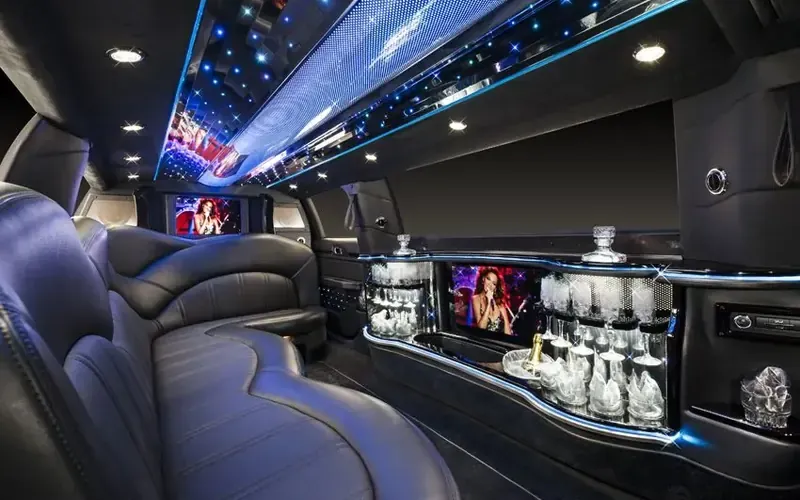
For the couple and a small bridal party, a stretch limousine or a Sprinter limo van works well in summer. The Sprinter is especially practical when someone is wearing a gown, because the standing room and easy entry make it simpler to get in and out without a struggle. Larger parties often choose the SUV stretch limo or the party bus so everyone travels together and no one is left standing on a hot sidewalk.
Guest shuttles deserve a closer look for summer dates. If your ceremony and reception are in different places, or if guests are staying at a hotel, a wedding guest shuttle or a hotel to venue shuttle keeps people out of the heat between events and reduces the number of cars circling for parking. Build the shuttle schedule around your ceremony time and the storm backup, and share it with guests on your website.
Photo tours are another summer consideration. Outdoor portraits at the Lincoln Memorial or along the Tidal Basin can be beautiful in the evening light, but the heat and crowds can wear on everyone. A wedding photo tour with a cool car between stops lets the photographer work in short outdoor windows and gives the wedding party a place to recover. Your chauffeur stays in touch with your planner or a named contact on the day, so changes to the plan are easy to pass along.
What to confirm before you book summer transportation
Every quote we write is itemized before booking, covering vehicles, hours, gratuity, tolls, parking, décor requests, and the deposit and cancellation terms. Nothing is booked until you accept it. That matters in summer because the details you might otherwise assume, such as red carpet service or a "Just Married" sign, are arranged when booked and written on the quote rather than added later.
Ask about air conditioning and how the vehicle is cooled before guests board, especially for a mid-afternoon pickup. If your plan includes alcohol, the policy is on the quote and follows the rules for guests 21 and older and whatever DC, Virginia, or Maryland law allows for that vehicle. For a summer wedding with an outdoor ceremony, tell us about the backup plan so the run sheet reflects it.
One written run sheet is shared with you or your planner for every wedding, and the chauffeur stays in touch with your planner or a named contact throughout the day. That single document is where a summer plan holds together: ceremony time, photo stops, shuttle loops, and the indoor backup all in one place. If you are still deciding between a summer date and another season, our posts on spring weddings in DC and fall weddings in Virginia and Maryland show what each season asks of you.
When you are ready to talk through vehicles and timing for a July or August date, get a free wedding quote and we will put the details in writing. You can also look at the wedding venues we serve around the region and the service areas we cover, from Georgetown and Capitol Hill to Arlington, Alexandria, Bethesda, and Annapolis. A summer wedding in Washington is entirely workable when the heat is planned for rather than hoped away.
Dressing for a DC summer wedding
Fabric matters more than style in a Washington July. Natural fibers like linen, cotton and light wool breathe and dry faster than synthetic blends, which trap heat and show sweat. For suits, an unlined or half-lined jacket in a lighter weight will look sharp and feel far better than a heavy worsted wool. If you love a fabric that creases, accept it as part of the look and have it pressed the morning of.
Brides should think about weight and structure as much as silhouette. Ballgowns with heavy boning and dense beading get uncomfortable fast in humidity, while crepe, chiffon and lighter mikado move and breathe better. A second, lighter dress for the reception is a practical choice many summer couples make. Keep a small kit with blotting papers, powder, hair pins and a stain pen, and ask your photographer where you can freshen up between portraits.
Shoes deserve real thought. Block heels and wedges stay stable on brick, gravel and grass, while thin stilettos sink into lawns at gardens and estates across the region. Give the wedding party a clear shoe brief, and let groomsmen remove jackets after the ceremony photos. For outdoor ceremonies, a light layer for the walk down the aisle is fine, but plan to shed it before group portraits so no one is overheated in the shots.
Photo timing and locations in the summer
Midday sun in July and August is harsh, casting hard shadows and pushing people to squint. Early morning and the last two hours before sunset are far kinder, and golden hour around the National Mall and the Tidal Basin is a well-known favorite for a reason. If your ceremony is early afternoon, ask your photographer to build a portrait plan that starts indoors or in shade and moves outdoors later.
Washington has no shortage of recognizable backdrops. The Lincoln Memorial steps, the Capitol grounds, the gardens at Dumbarton Oaks in Georgetown, and the waterfront at the Wharf all photograph well, but each has its own rules, crowds and sun exposure. Confirm access and permit requirements with the managing agency before you plan a stop, and tell your photographer which locations you care about most so the route stays realistic.
The practical key is short moves in air-conditioned vehicles between stops rather than long walks in the heat. A couple who arrives at each location cool and dry photographs better than one who has been standing on pavement for twenty minutes. Build in a rest stop with water and a mirror, and keep the number of locations modest so the day stays about the two of you rather than rushing between backdrops. A wedding photo tour with a driver who knows the route can keep those moves short.
Getting everyone between venues without melting
| Group | Typical vehicle | Why it helps in the heat |
|---|---|---|
| Couple | Stretch limousine or luxury sedan and SUV | Just the two of you, air-conditioned, with space to freshen up between stops |
| Wedding party | SUV stretch limo or party bus | Everyone travels together in one cool car instead of several hot ones |
| Parents and grandparents | Luxury sedan and SUV | Easy entry, close parking, and a calm ride out of the sun |
| Guests | Shuttle bus or mini coach | One air-conditioned shuttle keeps guests from waiting on the sidewalk |
| Bride in a gown | Sprinter limo van | Standing room and easy entry so the dress stays off hot pavement |
Planning summer wedding transportation
Summer transportation planning starts with the timeline, not the cars. Map the ceremony, portraits, reception and any hotel stops, then add realistic buffers for heat, traffic on the bridges and the extra minutes it takes to load a wedding party in formalwear. A route that looks short on a map can take much longer on a Friday afternoon in July, so build the schedule around the worst realistic case.
Decide which groups need their own vehicle and which can share. The couple, the wedding party, parents and out-of-town guests often have different needs, and a written plan that assigns each group to a vehicle and a pickup time prevents confusion on the day. A guest shuttle from hotel to venue keeps out-of-town family out of the sun, and bride transportation can be timed so the gown stays cool until the last moment. Ask for an itemized quote so you can see vehicles, hours, gratuity, tolls, parking and any décor requests before you commit to anything.
On the day itself, one written run sheet shared with your planner or a named contact keeps everyone aligned, and the chauffeur stays in touch as the schedule moves. If you want red carpet, signs or other touches, arrange them when you book so they appear on the quote. Browse the wedding fleet to see typical seat ranges, then get a free wedding quote and we will build the schedule with you.