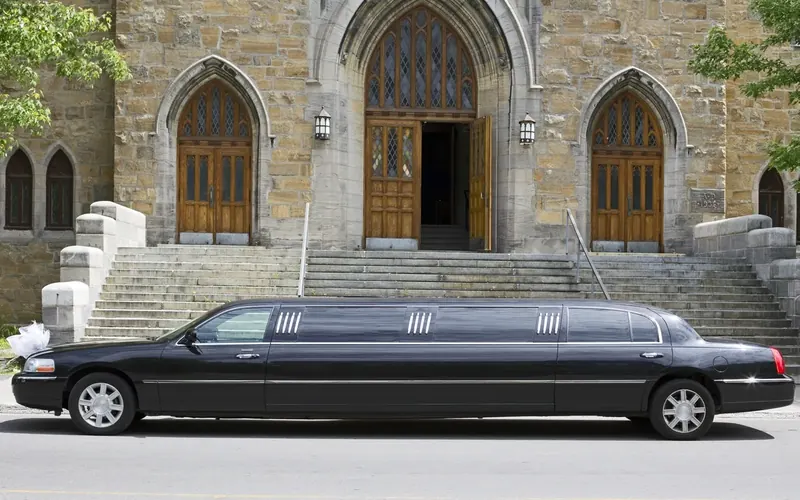
Choosing hotel wedding venues in Washington DC solves several problems at once: out-of-town guests have somewhere to stay, the ceremony and reception can share one address, and rain plans are already built in. The city has hotel venues in a range of styles, from grand historic ballrooms to modern rooms with views, and each one shapes your day in a different way.
This post walks through the main kinds of hotel venues in DC and nearby, the questions worth asking before you sign, and how transportation fits around a single-building wedding. It closes with a simple way to plan the cars, shuttles and getaway so the day runs calmly from the first pickup to the last ride back.
Key takeaways
- Hotel venues keep ceremony, reception and guest rooms under one roof, which simplifies logistics.
- Ask about room blocks, food and beverage minimums, load-in times and noise or end-time rules.
- A hotel wedding still needs transport for the couple, the wedding party and guests staying elsewhere.
- One written run sheet shared with the hotel contact keeps chauffeurs and staff on the same schedule.
- Confirm vehicle, décor and alcohol details on a written, itemized quote before you book.
Why Couples Choose Hotel Wedding Venues in Washington DC
The strongest argument for a hotel is that everything happens at one address. Guests arrive, check in, dress upstairs and walk to the ceremony without a car. Your older relatives and anyone traveling from out of town can stay put between the ceremony and the reception, which removes the most common source of stress on a wedding day.
Hotels also come with a built-in rain plan. When the ceremony is scheduled on a terrace or in a garden, the staff already has an indoor alternative and a plan for moving chairs, flowers and sound equipment. That matters in a city where a spring or summer shower can arrive with little warning, and it means you are not improvising a backup on the morning of.
The third appeal is people. A hotel venue usually includes a banquet team, a setup crew and someone assigned to your event, so tables, linens and lighting are handled before you arrive. For a full comparison of venue types across the region, see our guide to the best wedding venues in Washington DC and how to get there.
The Main Kinds of Hotel Venues in the City
DC hotel venues are not interchangeable. They differ in age, ceiling height, view, neighborhood and the kind of wedding they suit best. It helps to sort them into a few groups before you tour, so you compare like with like. The table below is a starting point for that comparison, and the sections after it go into each group in more detail.
Grand Historic Hotels
The city's older hotels, particularly around downtown and Dupont Circle, offer high ceilings, chandeliers and ballrooms with real architectural detail. They suit black-tie weddings and larger guest counts, and photos inside the building are often enough on their own. Ask about load-in routes and freight elevator access, since historic buildings can be tight.
Modern Downtown Hotels
Newer hotels near Capitol Hill, Penn Quarter and the Convention Center trade ornate ballrooms for clean lines, large windows and flexible rooms that divide into sections. They work well for couples who want a contemporary feel and easy walking access to the Mall, museums and restaurants for guests between events.
Waterfront Hotels
Hotels along the Georgetown waterfront, The Wharf and National Harbor pair ballrooms with river views and outdoor terraces. These venues are lovely in good weather and give guests something to do on either side of the wedding. Confirm the indoor backup space and how the terrace is used if the weather turns.
Hotels Near the Airports
Properties near Reagan National and Dulles make sense when most of your guest list is flying in and the wedding is short. Guests can land, check in and take a short ride to the venue. The trade-off is that the city's landmarks are further away, so plan any photo tour as a separate part of the day.
Hotels in Nearby Virginia and Maryland
Arlington, Old Town Alexandria, Bethesda and Tysons all have hotel venues within a reasonable drive of the District. They often cost less than downtown rooms and offer easier parking. If your guests are split between the city and the suburbs, a hotel outside DC can be the practical center of gravity.
What a Hotel Venue Typically Includes
Hotel contracts vary widely, but the pattern is fairly consistent. The hotel generally provides the room, tables, chairs, linens, basic lighting, catering and bar service, staff for setup and breakdown, and a contact for the day. Some include a suite for the couple and a discounted room block for guests.
What hotels usually do not provide is anything that moves people or goods. That covers transportation, outside décor and flowers, entertainment, photography and often the cake. Read the contract closely on what may be brought in, and confirm any vendor rules before you book.
Questions to Ask Before You Sign
A hotel contract is long, and the details that cause trouble later are usually buried in it. Bring a written list to your site visit and ask each question directly, then get the answers in writing before you pay a deposit.
- What is the food and beverage minimum, and does it include tax and service charges?
- How many guest rooms are in the block, at what rate, and when do unbooked rooms release?
- What time can vendors load in, and which entrance and elevator do they use?
- What time must the music end and the room be cleared, including breakdown?
- Is parking included for guests, and how are overnight and valet charges handled?
- Which outside vendors are allowed, and is there a fee to bring in a florist or band?
- Is there a rain plan in writing, and who decides when to use it?
- What is the deposit, the payment schedule and the cancellation policy?
Getting Ready at the Hotel
A hotel venue usually means a suite upstairs for the morning of the wedding. Ask how early you can check in and whether the room can be held the night before, because hair and makeup take longer than most couples expect and a room full of people, dresses and bags fills up fast. Confirm the suite's elevator access and whether a luggage cart can be reserved for gowns and steamer bags.
If you and your partner are getting ready in two different hotels, plan the day as two separate routes that meet at the ceremony. Our bride transportation and groom and groomsmen transportation pages cover how each side is timed, and the same written run sheet covers both cars. Build in a buffer for DC traffic before either car leaves.
The wedding party often needs its own movement between rooms, the lobby and the ceremony space. A bridal party vehicle keeps the group together for photos and the walk to the aisle, and a Sprinter van makes it easier to step in and out in a gown. Write down who rides with whom, and give a copy to the planner or a named contact on the day.
Moving Guests Between Hotels and the Venue
A guest shuttle makes sense when your room block and your venue are not the same building, or when several hotels are feeding one celebration. It also helps when parking near the venue is tight, which is common downtown and around the National Mall. A hotel to venue shuttle gives guests one clear plan instead of a dozen separate decisions.
Work backward from the ceremony start time to set the first pickup, and add a second trip if your block is large. One pickup point at the main hotel is simpler than three lobbies, because guests know where to be and the driver is not circling the city. Our wedding guest shuttle page explains how trips and vehicles are matched to your numbers.
Plan the return trips too, especially if the reception ends late. Guests who arrived together often want to leave together, and a posted departure time in the lobby or on a small card at each table saves repeated questions. Put the pickup details in the welcome bag or the hotel's guest information, and ask the front desk to keep a copy at the desk.
Photos, the Getaway and the End of the Night
Hotels near the Mall, Georgetown and the Wharf put recognizable backdrops within a short drive, and a wedding photo tour can turn a few blocks into a set of portraits. Ask your photographer which spots work at your ceremony time, then build the drive into the run sheet. Keep the loop short so you are not late back for cocktail hour.
The getaway car is its own small plan. A getaway car waits out of sight until the exit, then takes you to your hotel or to a nearby bar for a quiet hour. Red carpet, signs and other touches are arranged when you book and appear on your written quote, so decide early whether you want them.
The end of the night needs as much thought as the start. Guests staying at a different hotel need a last shuttle or a clear plan, and the couple's car should be ready when the send-off happens, not called for afterward. If you are using several vehicles across the day, our multi-vehicle weddings page shows how the pieces fit together.
Planning the Transportation Around Your Hotel Venue
Start with the venue's timeline, then build the cars around it. We write an itemized quote first, agree a run sheet with you or your planner, and keep the chauffeur in touch with your contact on the day. You can see how that works on our wedding venues we serve page and start with a free wedding quote.
- Confirm the venue timelineGet the ceremony, cocktail hour and reception times in writing, then share them with us so the cars are built around the real schedule.
- List every hotelNote the getting-ready suites, the room block and any guest hotels, then mark which ones need a pickup and which are within walking distance.
- Count the guestsGive us a realistic guest count for each shuttle trip, including plus-ones, so the vehicle size on the quote matches the group.
- Choose the vehiclesMatch each job to a car, from a sedan for parents to a party bus for the reception run, and confirm the exact vehicle on your quote.
- Set the photo routeAgree the photo stops with your photographer and add the drive time between them before the run sheet is final.
- Name a day-of contactGive us the planner or a family member who will answer the phone, and share the run sheet with them ahead of time.
- Review the quoteCheck hours, gratuity, tolls, parking and cancellation terms, and nothing is booked until you accept the written quote.