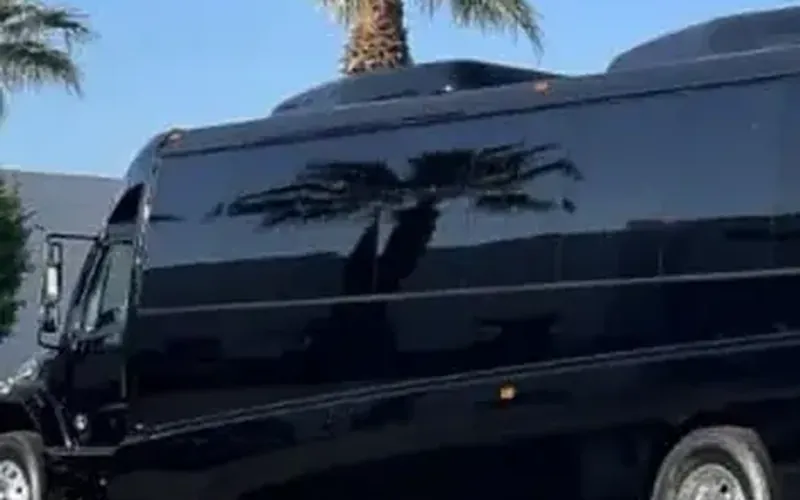
Wedding shuttle bus cost comes down to two numbers: how many seats you need and how many times the bus has to run. Get those right and the rest of the quote makes sense. Get them wrong and you either pay for empty seats or leave guests waiting on a curb. This post walks through both numbers so you can plan with confidence.
We start with the seat math, using the seat ranges in our fleet and the hotel-to-venue distances common around Washington DC, Northern Virginia and Maryland. Then we look at the loop: how long a single round trip really takes once you count loading, traffic and unloading. From there you can see how hours, vehicles and pickup points shape a written quote, and what to settle before you sign one.
Key takeaways
- Seat count is guests per run, not total guests; plan for two or three runs if one bus cannot carry everyone.
- Loop time is door to door: loading, drive, unloading and the return, plus DC traffic.
- Fewer pickup points means shorter loops and fewer billed hours.
- A written, itemized quote should show vehicles, hours, gratuity, tolls and parking.
- Confirm the plan with your venue and hotel, then put it in one run sheet.
Why the seat count decides most of the wedding shuttle bus cost
A shuttle quote is built from two things: seats and runs. The seats set the size of the vehicle, and the runs set the hours it stays with you. Because the vehicle size is fixed once you book, the seat count is the first number to settle. Everything else in the quote follows from it.
This is why it helps to decide early whether you are providing guest transportation at all. If you are still weighing that question, our post on whether you need to provide transportation for wedding guests walks through the cases where a shuttle earns its keep and where it does not.
Once you know a shuttle is happening, the planning moves to numbers. How many guests truly need a ride, how many can fit in one vehicle, and how many times that vehicle has to make the trip. Answer those three and you can describe your shuttle clearly enough to get an itemized quote you can compare and question.
How many seats does a wedding shuttle need
Start by matching your guest count to a vehicle class. The ranges below are typical for our fleet, and the exact vehicle is always confirmed on your written quote. Larger groups often mix two sizes rather than stretching one vehicle to its limit.
Seat counts are a ceiling, not a target. A bus filled to the last seat leaves no room for a plus-one who shows up or a guest who decides to ride at the last minute.
| Vehicle | Typical seats | Best for |
|---|---|---|
| Shuttle Bus & Mini Coach | Up to 25–56 guests | Guest shuttles between hotel and venue |
| Wedding Party Bus | Up to 20–40 guests | Big wedding parties, photos and the reception run |
| SUV Stretch Limo | Up to 14–20 guests | The whole wedding party in one car |
| Escalade Limo | Up to 12–14 guests | Larger parties who want limo style |
| Sprinter Limo Van | Up to 10–14 guests | Easy entry in a gown, with standing room |
| Stretch Limousine | Up to 8–10 guests | The couple or a small bridal party |
| Luxury Sedan & SUV | Up to 3–6 guests | Parents, grandparents and VIP guests |
The seat math: guests, runs and headroom
Begin with the number of guests who actually need a ride, not your total guest count. Out-of-town guests staying in a hotel block are the clearest group. Local guests often drive themselves, and some will take their own car even when a shuttle is offered. Ask on the RSVP whether guests want a seat on the bus, and count only the yeses.
Divide that number by the seats in the vehicle you are considering, then round up. Sixty guests needing a ride and a coach that seats forty means two vehicles or two runs, not one and a half. If you are using a smaller vehicle, the same sixty guests might mean several trips, which changes the hours you need.
Then add headroom. A buffer of a few seats covers the plus-one who was added late, the guest who changes their mind, and the couple of people who always arrive at the last minute. Headroom is cheaper than a second run, and far cheaper than leaving guests behind. Write the final number down before you request a quote.
The loop math: what one round trip really takes
A loop is not just the drive. It is the whole cycle from the bus arriving early to the bus coming back empty. Here is how a single hotel-to-venue run usually plays out.
- Bus arrives earlyThe vehicle reaches the hotel pickup point ahead of the stated time so the chauffeur can find the entrance, check in with the contact and be ready before the first guest appears.
- Guests gatherGuests drift down from rooms over ten or fifteen minutes. A named contact helps round people up, and a sign or a text reminder keeps the group moving toward the door.
- LoadingBoarding takes longer than people expect, especially with older guests, strollers or anyone who needs a hand with the steps. Count a realistic window rather than the ideal one.
- The driveThe route from a downtown DC hotel to a venue in Virginia or Maryland can take far longer than a map suggests. Bridges, event traffic and weekend backups all add time.
- UnloadingGuests step off, find their bearings and head inside. The chauffeur confirms the return time with your planner or contact before pulling away.
- The returnThe bus drives back to the hotel, often against the flow of guests arriving. This leg counts toward the hours even though no guests are aboard.
- TurnaroundIf the bus is doing a second run, it needs time to reset at the hotel before the next group boards. That gap belongs in the schedule, not in the hope that it works out.
Why DC, Virginia and Maryland loops run longer
A shuttle loop in this region is rarely a straight line on a map. The Potomac and Anacostia rivers force most routes over a handful of bridges, and those bridges become bottlenecks when a ballgame, a concert at The Wharf or a Friday afternoon exodus lines up with your pickup. A route that looks short in miles can take twice as long in minutes, which is why we build loops around time, not distance.
Rush hour in Washington DC runs longer than many couples expect. The morning inbound crush and the evening outbound crawl can add twenty or thirty minutes to a single leg, and Virginia's Beltway and I-66 corridors have their own patterns. Even a midday loop can slow when a motorcade, road work or a protest closes lanes near the Capitol or the Mall.
Then there is the venue itself. A historic church in Old Town Alexandria, a winery outside Leesburg or a hotel ballroom in Bethesda may have one narrow driveway where cars, rideshares and your shuttle all arrive at once. Loading and unloading can take several minutes per stop, and that time belongs in the loop math before you decide how many runs fit in an hour.
Pickup points, hours and what else lands on the quote
A written shuttle quote should show every line that affects the final number, not just the hourly rate. Ask for it itemized before you book so you can compare plans and spot anything you did not expect.
- Vehicle and seat countThe shuttle bus or mini coach assigned, its typical seat range and the exact vehicle confirmed for your date.
- Hours and start timeWhen the clock starts, how many hours are reserved and what happens if the schedule runs long.
- Pickup and drop-off pointsEach hotel, venue and stop named on the run sheet, with any extra stops priced separately.
- GratuityThe chauffeur gratuity shown as its own line so you know what is already covered.
- Tolls and parkingBridge tolls, garage fees and venue parking charges listed in advance rather than added later.
- Décor requestsRed carpet, signs or other touches arranged when booked and written on the quote, never assumed free.
- Deposit and cancellation termsThe amount due to hold the date and the window for changes or cancellation.
- Alcohol policyWhether alcohol is allowed, for guests 21 and older, and only where the vehicle and local law permit it.
Questions to settle before you book
Before the shuttle plan is final, sit down with your venue, your hotel contacts and your planner and answer the practical questions below. Each answer changes the seat count, the loop time or both.
Where can the bus actually stop?
Ask the venue and each hotel where a full-size shuttle can legally and safely load. Some DC and Old Town addresses have narrow curb space or loading zones with time limits, and a blocked driveway can add minutes to every run.
When does the venue open its doors?
If the ceremony space or reception hall is not ready when the first shuttle arrives, guests wait outside or in the lobby. Confirm the earliest arrival time with your venue so the first loop is not wasted.
How many guests are staying at each hotel?
Use the hotel room block and RSVPs to estimate bodies per pickup point, not just total guests. Two hotels with uneven counts may need different vehicles or staggered departure times.
What is the last safe departure time?
Work backward from your ceremony start, then add a buffer for loading and traffic. Your planner can tell you when the last guest can arrive without disrupting the processional.
Who is the named contact on the day?
Decide whether the planner, a family member or a hotel concierge will hold the run sheet and stay reachable by phone. Our chauffeur stays in touch with that person so small changes do not become big delays.
What happens at the end of the night?
Late-night loops often need more runs than the arrival schedule because guests leave at different times. Settle the final departure window and whether a second vehicle or an extended hour makes sense.
Turning your numbers into a written quote
Once you know your guest count, the hotels and the venue, you have the two numbers that matter: seats and loops. Send those to us and we will write an itemized quote that shows the vehicle, the hours, the pickup points and every line that affects the total. Nothing is booked until you accept it, and you can compare plans side by side before you decide.
If your guest list is still moving, give us a range and the hotels you are considering. We can sketch a plan around a typical wedding shuttle bus and adjust the seat count as RSVPs come in. If you are still deciding whether a shuttle is right for your day, our post on whether you need to provide transportation for wedding guests walks through the trade-offs.
When you are ready, get a free wedding quote and include your date, guest count, hotels and venue. We will send a written run sheet with the quote so you can see how the loops fit together before you commit. That written plan is the best way to keep the seat math and the loop math honest.